


What is LZ1?
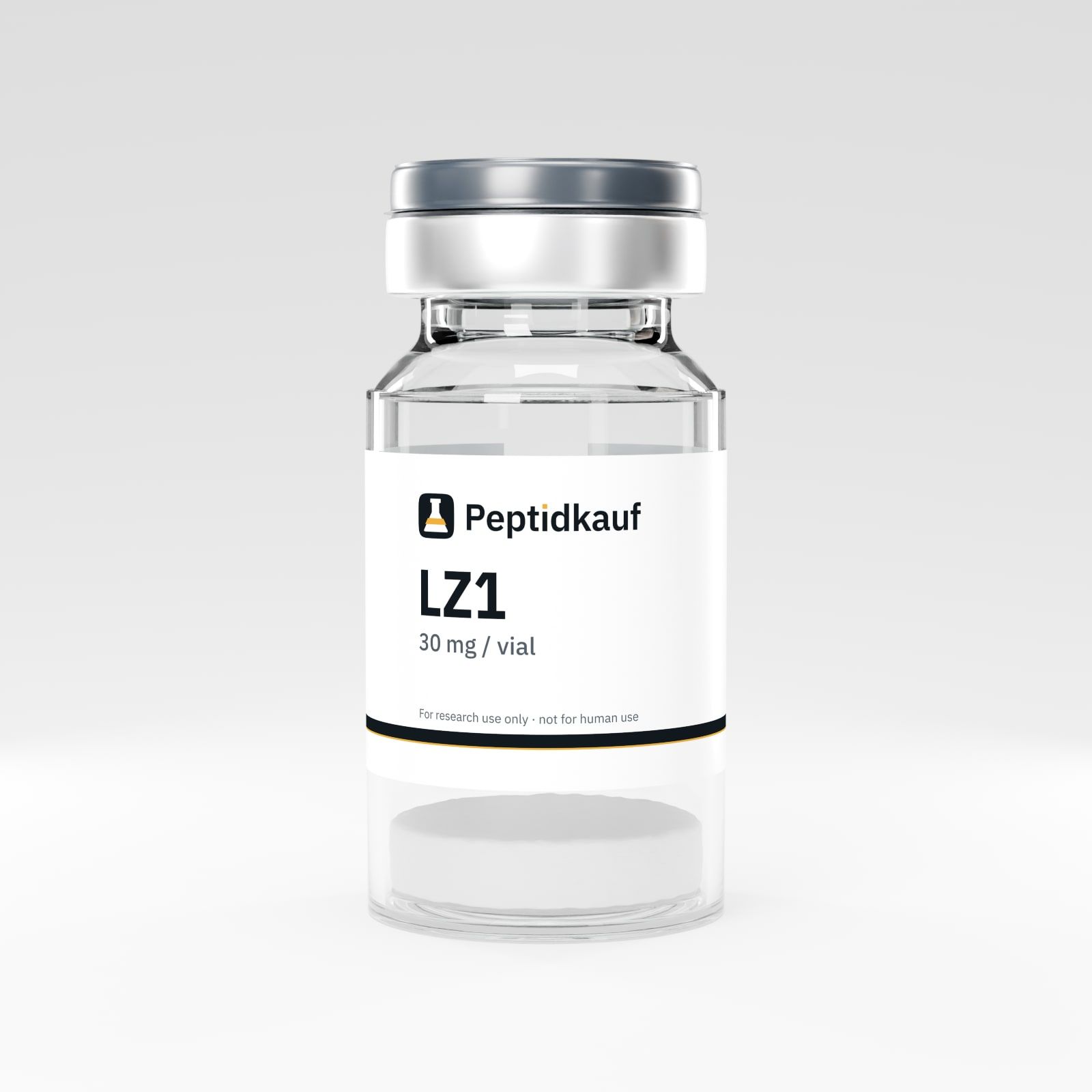
LZ1 is a synthetic cationic peptide derived from amphibian cathelicidin sequences that acts against Gram-positive bacteria.
More data in the lexicon entry on LZ1.
State of research
Antimicrobial peptides such as cathelicidins are part of the innate defence of almost all living things. They attach to the negatively charged bacterial membrane and make it leaky. LZ1 is a short, deliberately optimised variant.
Published work describes strong laboratory activity against Cutibacterium acnes and other skin microbes, reduced inflammatory markers in mouse skin models and good serum stability. The data are preclinical and come mainly from one research group in China. Compared with classic antibiotics, research is especially interested in whether bacteria find it harder to develop resistance to such peptides.
Status and quality
LZ1 is not approved as a medicine; the evidence is preclinical. Peptidkauf sells LZ1 solely as a research reagent for laboratory and in-vitro use and gives no dosing or application advice.
An independent laboratory tests every batch for purity (HPLC), identity and measured content before it goes on sale; the reports and their verification keys are in the lab report archive. The material ships as lyophilised powder in a glass vial; storage and laboratory handling are covered under storage & handling.
Related products and articles
A natural antimicrobial peptide: LL-37. More skin research in the skin and copper peptides research area.