Peptides in research: what laboratories use them for
Research peptides are tools for answering a question: what happens when this receptor is activated, which genes change in this cell, how does tissue behave after injury? This page shows the main fields, each with examples from our range, and where research ends.
Five fields
| Field | Typical questions | Examples |
|---|---|---|
| Metabolism and hormones | How do gut hormones control appetite and blood glucose? | Retatrutide, semaglutide, cagrilintide |
| Growth hormone axis | How is pulsatile GH release controlled? | Ipamorelin, CJC-1295, tesamorelin |
| Tissue and regeneration | What accelerates wound healing and vessel formation in models? | BPC-157, TB-500, GHK-Cu |
| Mitochondria and ageing | How are energy metabolism and cellular ageing linked? | MOTS-c, SS-31, epitalon |
| Neuroscience | Which signals control plasticity and stress responses? | Semax, Selank, PE-22-28 |
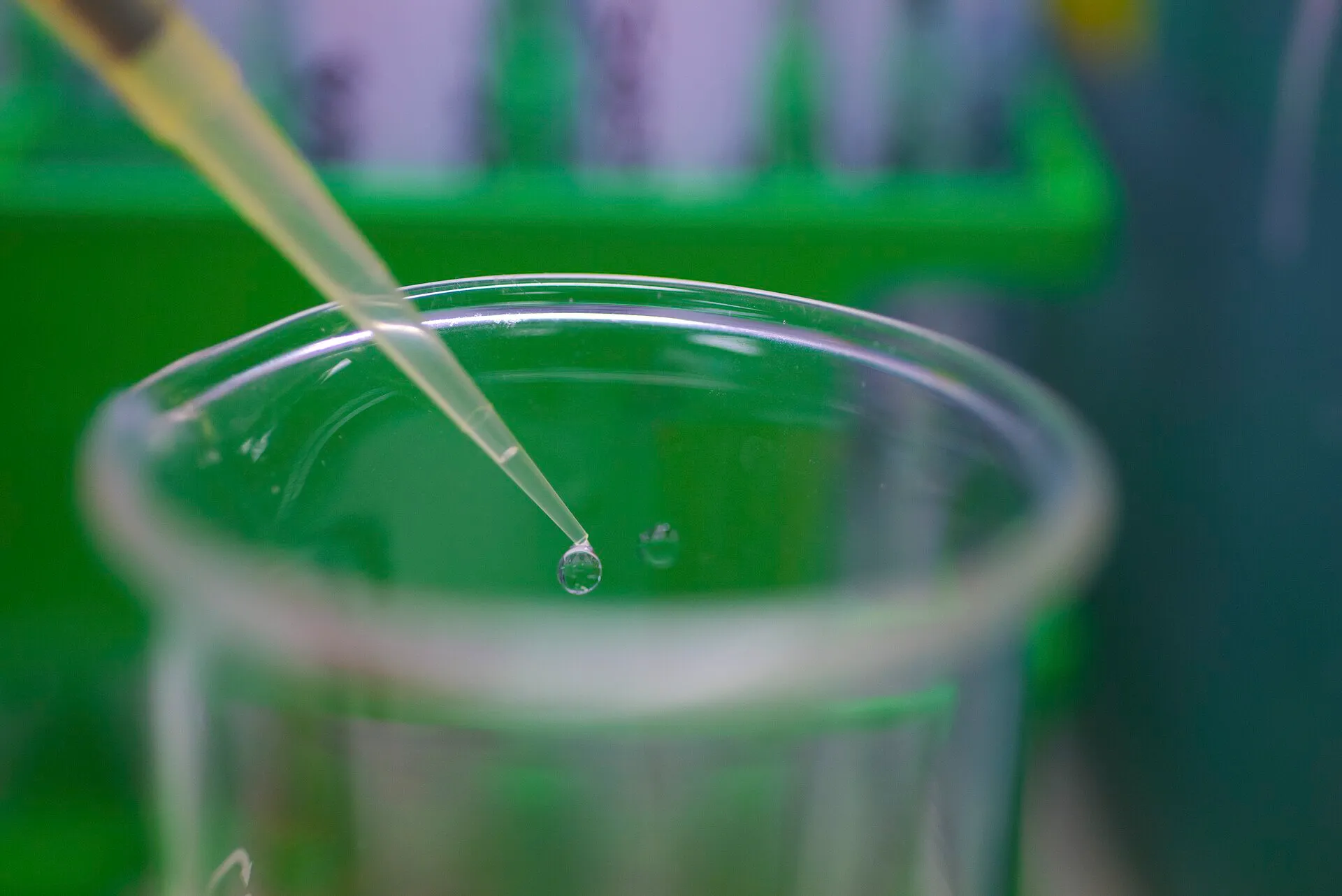
How a peptide is used in an experiment
The freeze-dried peptide is dissolved in a suitable solvent, the concentration is calculated precisely and the solution is used in cell culture, tissue samples or animal models. Responses are then measured: signalling, gene activity, growth, metabolic values. Controls are essential, including untreated samples and often a control peptide with an altered sequence. For preparation see the peptide calculator and storage & handling.
Why identity and amount matter
If a vial contains a different peptide, every result is worthless; if it contains less, concentrations are wrong. That is why we publish the independent lab report for every batch with purity, measured amount and verification key. More under quality & analytics.
Where research ends
Research peptides are intended for laboratory experiments. They are not medicines, supplements or cosmetics and are not for human or animal use. Results from cell culture and animal models are indications, not evidence of effects in humans. You will find study evidence and mechanisms here, but no dosing and no usage advice.